PSS PACKED SUB STATION
Description
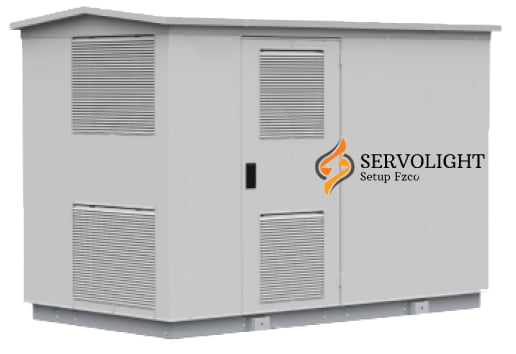
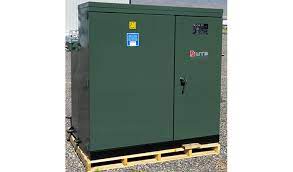
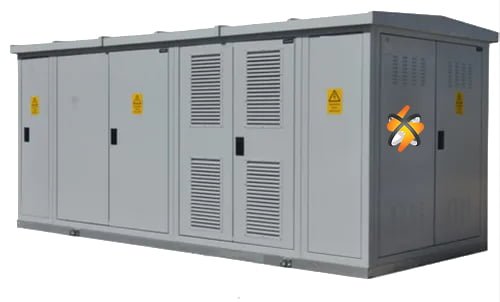
PSS (Packed Sub Station), also known as prefabricated or modular substations, represent a modern approach to power distribution and transformation infrastructure. These substations are designed to be compact, fully-contained units that integrate various electrical components within a single enclosure. They offer several advantages over traditional substations, including rapid deployment, reduced on-site construction time, and enhanced reliability.
Components and Configuration:
A typical PSS unit comprises several key components, including:
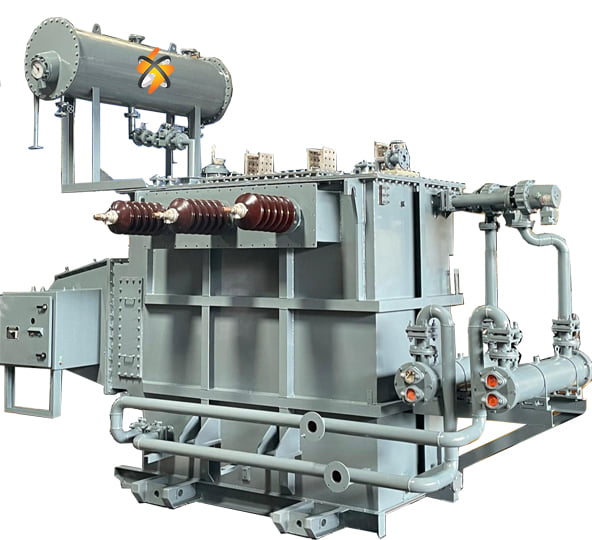
- Transformer: PSS units incorporate transformers for voltage transformation, allowing the distribution of power at different voltage levels as per requirements.
- Switchgear: Switchgear assemblies are essential for controlling, protecting, and isolating electrical circuits within the substation. They ensure safe operation and efficient distribution of electricity.
- Circuit Breakers: These devices are crucial for interrupting or breaking electrical circuits during abnormal conditions, such as overloads or short circuits, thus preventing damage to equipment and ensuring system reliability.
- Protection and Control Systems: PSS units are equipped with advanced protection and control systems to monitor, manage, and safeguard the electrical network against faults and disturbances.
- Monitoring and Communication Equipment: To enable remote monitoring and control, PSS units often incorporate communication equipment, allowing operators to supervise the substation’s performance and respond promptly to any issues.
Range of Use Cases:
PSS units find application across various industries and settings due to their versatility and efficiency. Some common use cases include:
- Urban Areas: In densely populated urban areas where space is limited, PSS units offer a compact solution for power distribution. They can be installed in constrained spaces such as city centers, underground facilities, or rooftops, providing reliable electricity supply without occupying significant land area.
- Industrial Facilities: Industrial plants, factories, and manufacturing facilities require robust power infrastructure to support their operations. PSS units are well-suited for such environments, offering quick deployment and modular design to adapt to changing power demands.
- Remote Locations: In remote or off-grid locations where establishing traditional substations is impractical or cost-prohibitive, PSS units offer a viable alternative. These units can be transported to remote sites more easily and installed with minimal on-site construction, providing essential electricity infrastructure to support local communities or industrial projects.
- Temporary Installations: For temporary events, construction sites, or emergency response scenarios, PSS units provide a flexible solution for temporary power distribution. They can be quickly deployed and relocated as needed, ensuring uninterrupted electricity supply during temporary operations or events.
- Renewable Energy Integration: With the increasing adoption of renewable energy sources such as solar and wind power, PSS units play a crucial role in integrating these sources into the grid. They facilitate the connection of renewable energy generation facilities to the existing power infrastructure, enabling efficient distribution and utilization of clean energy resources.
Overall, PSS units offer a versatile and efficient solution for power distribution and transformation across a wide range of applications, providing reliable electricity supply while minimizing installation time and space requirements.